Do enclosed litter boxes really contain odors better?
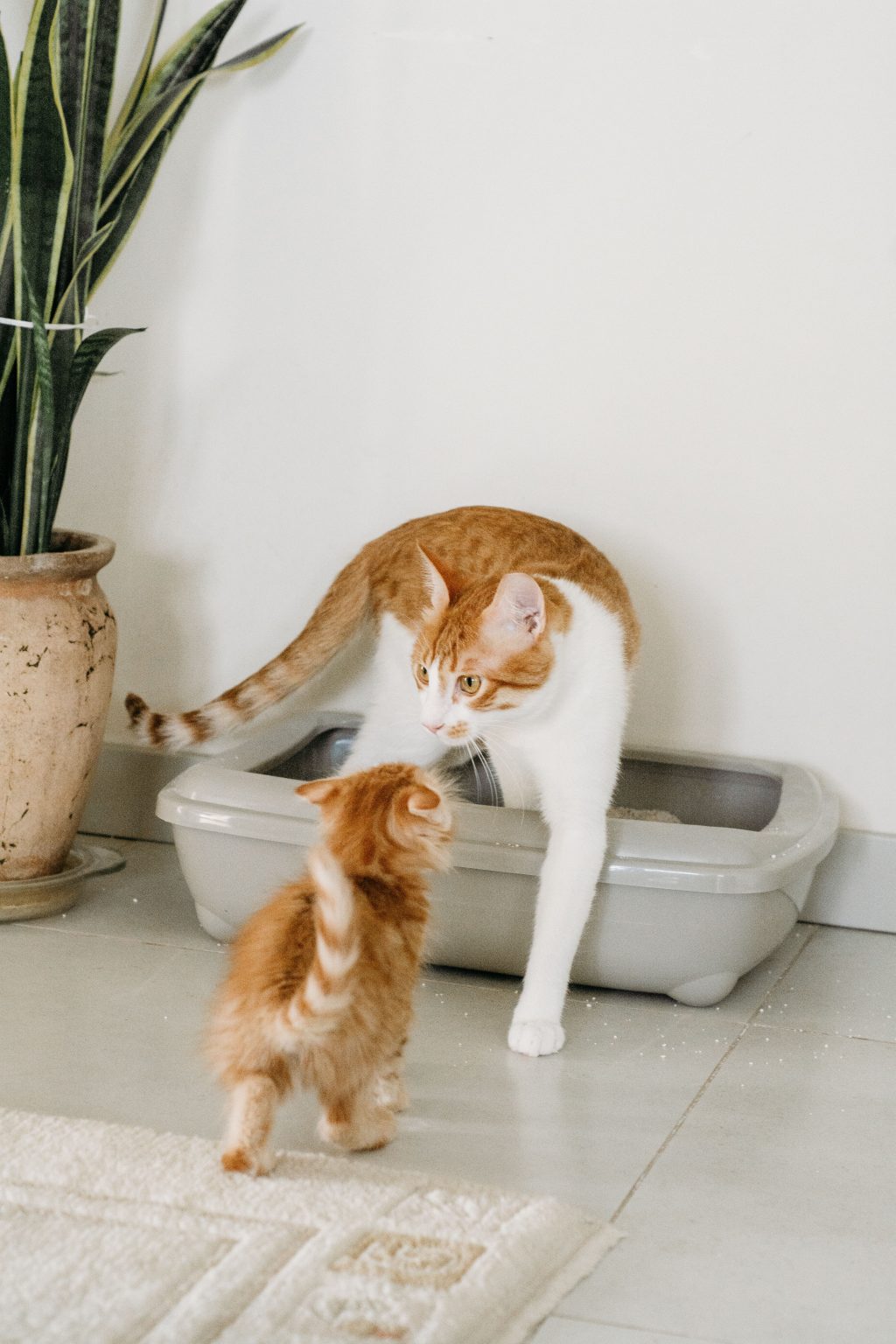
Do Enclosed Litter Boxes Effectively Contain Odors? An Expert Perspective
For cat owners, managing litter box odors is an ongoing challenge—especially in compact living spaces like camper vans, small apartments, or tiny homes. A common assumption is that enclosed litter boxes with lids or covers provide superior odor control. However, the effectiveness of these designs is not always so straightforward, and the reality depends on several factors.
Understanding the Design: Does a Lid Equate to Better Odor Control?
The primary idea behind enclosed litter boxes is simple: a lid should trap odors inside, preventing them from spreading into the environment. While this concept makes intuitive sense, real-world performance can differ. Enclosed boxes are designed to create a barrier, but their success depends heavily on the quality of the seal. If the lid or cover doesn’t fit snugly, odors may escape, rendering the enclosure less effective.
Ventilation and Airflow Considerations
Some open or drum-style litter boxes don’t have covers but often incorporate ventilation features that promote airflow. Interestingly, these designs don’t necessarily lead to worse odor issues; in some cases, enhanced ventilation can help dissipate smells more quickly. However, without proper odor-sealing mechanisms, ventilation might do little to impede scent escape.
Practical Insights from Small Space Use
For pet owners who have used both enclosed and open litter boxes in confined areas like camper vans, practical experience reveals that several factors influence odor control:
-
Seal Integrity: The quality of the enclosure’s seal plays a crucial role. A well-fitted lid or cover can significantly reduce odors if it creates a tight barrier.
-
Litter Type and Freshness: Using high-quality, clumping, or odor-absorbing litters minimizes smells, regardless of the box type.
-
Cleaning Routine: Regular cleaning—ideally daily—removes waste promptly, lessening odor buildup.
-
Location and Ventilation: Placing the litter box in an area with good airflow can help dissipate odors, even in enclosed spaces.
Conclusion
While enclosed litter boxes with lids are often marketed as superior odor control solutions, their real-world effectiveness depends on design quality and maintenance routines. A well-sealed enclosure combined with effective cleaning practices and good ventilation generally offers the best results in managing litter box odors, especially in small living spaces where odor containment is paramount.
Expert Tip: When selecting a litter box for a small space, prioritize models with secure, well-fitting lids or covers, and combine their use with high-quality litter and regular cleaning to ensure a fresher environment for both you and your feline companion.