Is a bead of non-sag lap sealant enough for these?
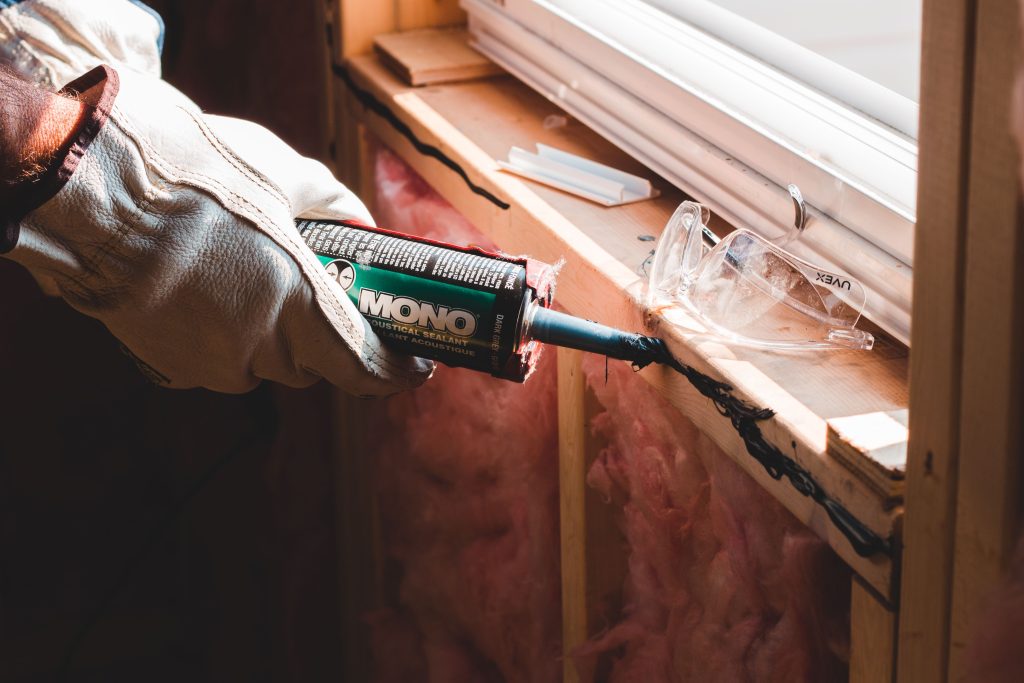
Assessing the Effectiveness of Non-Sag Lap Sealant for Trailer Seams in Rain-Prone Climates
For newcomers navigating the world of travel trailers and RV maintenance, ensuring water integrity is often a primary concern—especially in regions with high rainfall, such as the Pacific Northwest. Proper sealing of seams and gaps becomes crucial to prevent water intrusion, which can lead to significant and costly damage over time.
Understanding the Role of Lap Sealant
One common method to address minor gaps or cracks in trailer seams is the application of non-sag lap sealant. This type of sealant is specifically formulated to remain stable and adhere well in vertical and overhead applications, making it a popular choice for sealing joints and seams on RV exteriors.
Is a Single Bead Sufficient?
If you’re considering a simple, minimal intervention—such as applying a bead of non-sag lap sealant—it’s essential to evaluate whether this approach will provide adequate protection for the upcoming winter months. Generally, a single consistent bead can be effective for small, superficial gaps. However, the key is ensuring that the sealant bonds well and fills the entire gap without gaps or voids that could allow water ingress.
Backing Material: To Use or Not to Use?
The debate about whether to insert backing material, such as foam backer rods, before applying sealant is ongoing. Backer rods can serve multiple purposes:
– Provide a proper depth for the sealant
– Reduce the amount of sealant needed
– Improve the sealant’s adhesion and flexibility
– Prevent the sealant from adhering to the bottom of the gap, which allows for better movement and expansion
Many experts recommend placing a backer rod in larger gaps to ensure a more durable, long-lasting seal. For smaller cracks or overlaps, some experienced owners choose to apply the sealant directly without backing, provided the seam is properly cleaned and prepared beforehand.
Preparation and Application Are Key
Regardless of the method chosen, proper surface preparation is vital:
– Clean the area thoroughly to remove dirt, old sealant, or debris
– Dry the surface completely
– Select a high-quality, 100% silicone or urethane-based non-sag sealant suitable for outdoor use
Applying the sealant evenly and ensuring it adheres well along the entire seam will maximize its effectiveness.
Final Thoughts
In climates like the Pacific Northwest, where frequent rain and humidity can accelerate water-related issues, it’s wise to adopt a cautious and thorough sealing approach. For small gaps, a carefully applied bead of non-sag lap sealant can serve as a temporary fix—yet, considering the added security of backing material in larger or more exposed seams may provide peace of mind.
If in doubt, consulting with professional RV technicians or experienced travel trailer owners in your area can offer tailored advice based on local conditions. Regular inspections and maintenance are also crucial to keep your travel trailer watertight and in top condition for many adventures ahead.