Are plus nuts a bad choice for roof rails compared to rivetnuts?
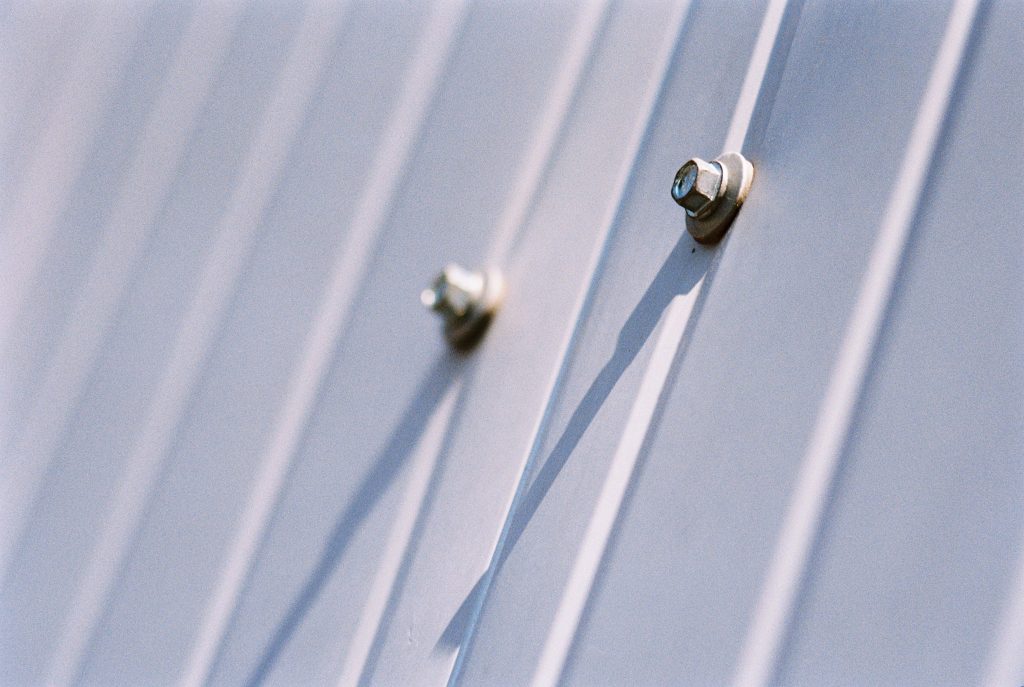
Evaluating Fastener Options for Roof Rail Installations: Rivet Nuts versus Plus Nuts
When it comes to installing roof-mounted systems such as solar panels, securing reliable and durable fasteners is paramount. Among the popular options are rivet nuts and plus nuts, each with their own advantages and considerations. This article explores the suitability of these fasteners for roof rail applications, focusing on their physical characteristics, installation implications, and potential impacts on roof integrity.
Understanding Rivet Nuts and Plus Nuts
Rivet Nuts: Also known as threaded rivets, rivet nuts are a type of threaded insert designed to be installed into pre-drilled holes. They are expanded and deformed during installation, creating a secure, flush-mounted thread in thin or hard materials. Rivet nuts are widely used in automotive, aerospace, and construction applications due to their robustness and ease of installation.
Plus Nuts: Also called cage nuts or wing nuts, plus nuts feature a unique design with wing-like protrusions that provide additional grip. Their design is intended to enhance holding strength and ease of installation, especially where access is limited.
Application Context: Roof Rails for Solar Panels
For mounting roof rails, particularly those supporting solar panels, securing the rails firmly and ensuring long-term structural integrity are critical. Commonly, the rails are attached to the roof structure using threaded fasteners inserted into the roof material and structural supports such as Unistrut.
In this scenario, selecting the appropriate fastener involves considerations such as load-bearing capacity, ease of installation, corrosion resistance, and potential for water ingress.
Pros and Cons of Rivet Nuts for Roof Rails
Advantages:
– Provide a strong, permanent threaded anchor.
– Installed flush with the surface, minimizing aerodynamic drag.
– Suitable for thin materials and applications requiring secure fastening.
Considerations:
– Installation requires access to both sides of the material.
– Proper expansion inside the hole is necessary to ensure holding strength.
– Generally, less prone to leakage compared to some winged fasteners since they are flush-mounted.
Evaluating Plus Nuts for Roof Rail Installation
Advantages:
– The winged design may offer a better grip and easier installation in some scenarios.
– Can potentially be installed from one side in accessible locations.
Concerns:
– The wings of plus nuts create gaps between the fastener and the mounting surface.
– These gaps could serve as pathways for water ingress, increasing the risk of leaks.
– The protrusions might reduce the uniformity of load distribution or complicate sealing efforts.
Leakage and Water Ingress Considerations
One of the primary concerns with using plus nuts or similar winged fasteners on roofs is the potential for water leakage. The gaps created by the wings can allow water to penetrate beneath the roof surface, especially if proper sealing practices are not followed. Over time, this may lead to corrosion, deterioration of the roof material, and other related issues.
In contrast, rivet nuts, when installed correctly, tend to be flush and do not leave gaps that can compromise waterproofing. This makes them a more reliable choice from a waterproofing standpoint.
Conclusion: Which Fastener Is Better for Roof Rails?
While plus nuts may seem advantageous due to their grip features, their design inherently introduces gaps that could compromise roof integrity over time. Rivet nuts offer a more robust, watertight solution suited for secure, long-term mounting of roof rails, especially for critical applications like solar panel supports.
For anyone considering installation, it is advisable to prioritize fasteners that provide strong mechanical fastening while maintaining the roof’s waterproof characteristics. Proper installation techniques and sealing methods are essential regardless of the fastener chosen.
Final Recommendations
- Use rivet nuts for roof rail installations aiming for durability and waterproofing.
- If considering plus nuts, evaluate the potential for water ingress and implement effective sealing strategies.
- Consult with roofing and structural professionals to ensure compliance with building codes and best practices.
By carefully selecting and installing the appropriate fasteners, homeowners and contractors can ensure the safety, longevity, and performance of their rooftop systems.