I already own a LiFePO4 battery. Buying a power station feels convenient—but also like buying the same battery twice.
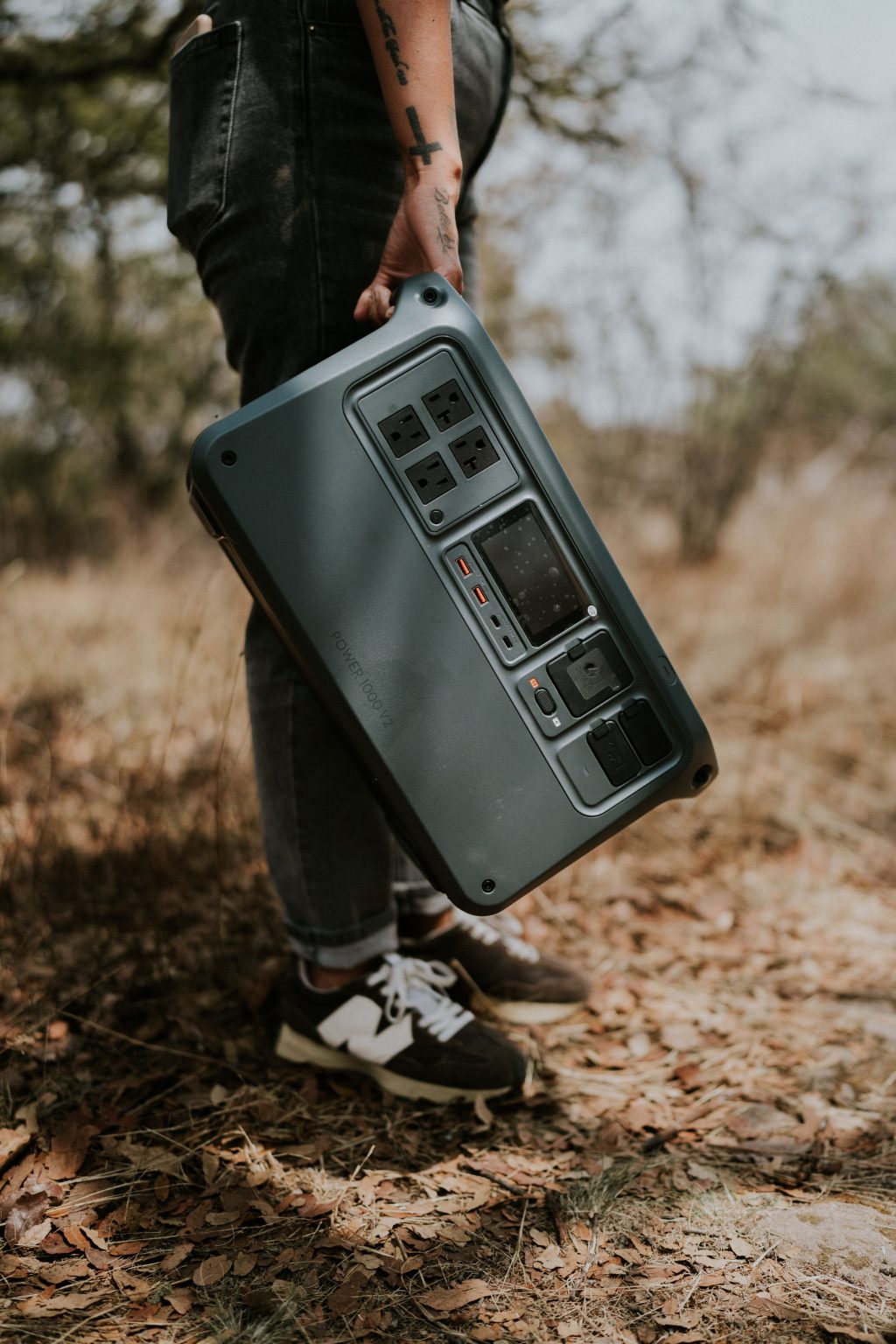
Balancing Convenience and Efficiency: Navigating Power Solutions for Weekend Camping and Road Trips
Planning a reliable and portable power setup for weekend camping excursions and occasional road trips can be both an exciting and challenging endeavor. Many outdoor enthusiasts face a common dilemma: how to maximize convenience without incurring unnecessary costs or redundant equipment.
Existing Battery Setup
For those already equipped with a 12V LiFePO4 battery, the core needs often include powering LED lighting, portable refrigerators, and other low-voltage DC devices. This battery provides a robust and lightweight power source, making it ideal for short-term outdoor use.
The Appeal of Portable Power Stations
The next logical step many consider is investing in a portable power station. These devices offer the advantage of AC outlets, integrated solar charging controllers, and multiple USB ports—streamlining the power management process and enhancing usability during trips. However, this convenience often comes with the cost of acquiring additional batteries, BMS (Battery Management System), and proprietary charging systems, which can lead to redundancies, especially when a capable battery already exists.
Evaluating the Need for Redundancy
At this point, users are faced with a critical question: Is it worth investing in a new battery within the power station when their existing LiFePO4 battery is still functional and suitable? From a cost-efficiency standpoint, duplicating battery capacity may seem unnecessary.
DIY Modular Solutions as a Middle Ground
An alternative approach is to build a custom, DIY power system. This method involves integrating the existing battery with compatible components such as an inverter, MPPT charge controller, fuses, circuit breakers, and appropriate wiring. While this option requires technical knowledge and initial effort, it offers several benefits:
- Avoids redundant components
- Allows tailored system design
- Potentially reduces overall costs
- Provides greater flexibility and expandability
However, safety considerations are paramount—careful wiring, proper fuse sizing, and adherence to electrical standards are essential to prevent damage or accidents.
Striking the Right Balance
Ultimately, the decision hinges on weighing convenience against cost and complexity. The purchase of a power station is justified when:
- The added features significantly enhance usability (e.g., AC power, fast charging)
- Ease of setup and mobility are priorities
- The user prefers a plug-and-play solution without DIY effort
Conversely, if minimizing expenses and maximizing resource utilization are key, extending or integrating the existing battery into a custom system could be more advantageous.
Conclusion
The optimal power solution for outdoor adventures depends on individual needs, technical comfort level, and budget. By carefully assessing these factors, campers and road-trippers can develop a reliable, efficient, and cost-effective setup that balances convenience with sustainability. As the outdoor power market continues to evolve, innovative hybrid approaches may soon offer even more flexible options for maintaining power on the go.
Author’s Note: If you’ve navigated similar decisions or have tips on balancing system complexity and convenience, feel free to share your insights in the comments.