Anyone have Federal Certification Sticker on inside of door for a 1998 Dodge American Cruiser?
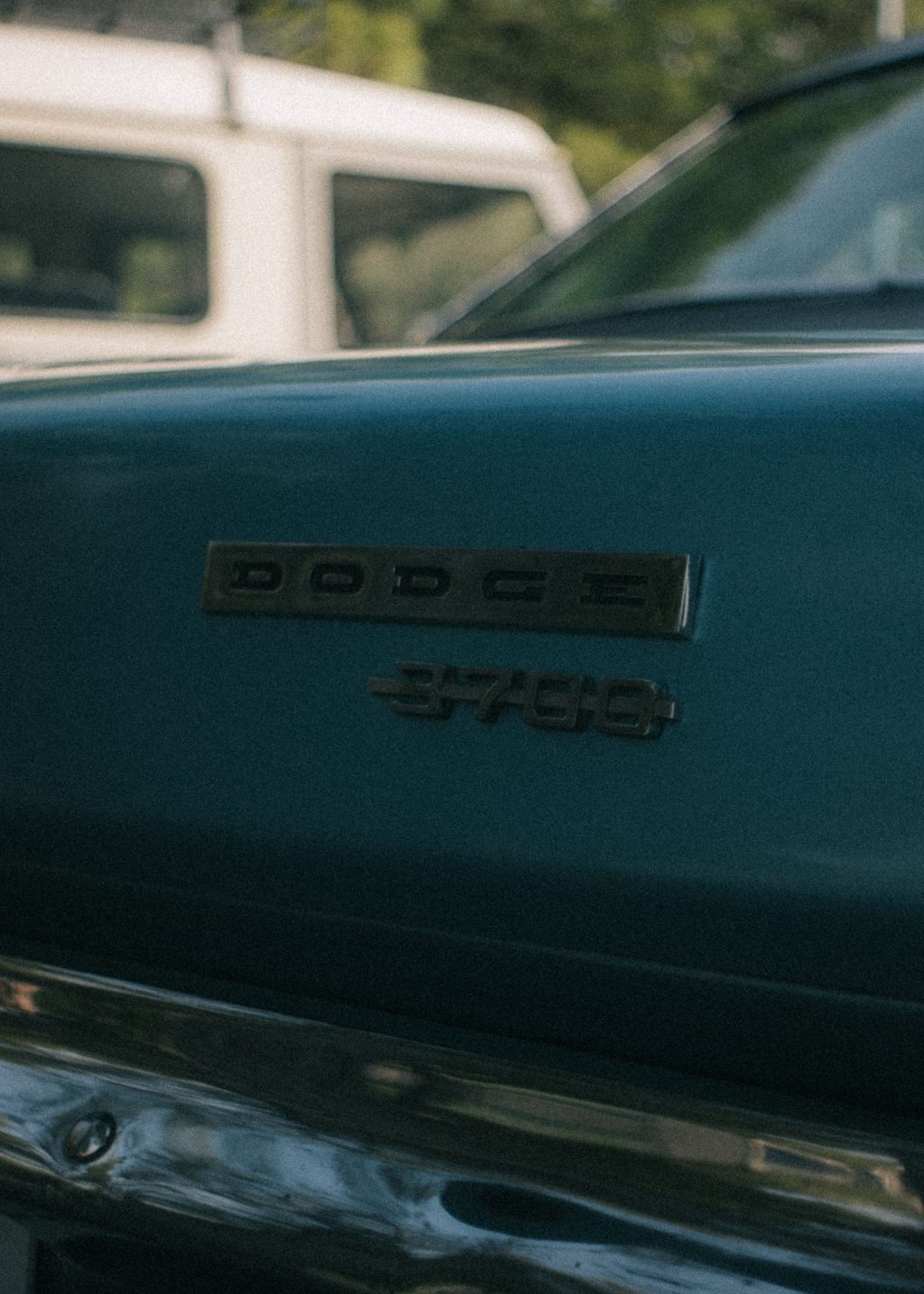
Understanding Federal Certification Stickers on Vintage Dodge American Cruisers: A Practical Guide
Are you the proud owner or enthusiast of a vintage Dodge American Cruiser, particularly a 1998 model? If so, you might have encountered the challenge of identifying or sourcing the Federal Certification Sticker typically found inside the driver’s side door. This certification mark plays a crucial role in vehicle registration and compliance verification, especially when transferring ownership across states or dealing with regulatory agencies.
The Case of the 1998 Dodge American Cruiser
Recently, a vehicle owner shared a situation involving a 1998 Dodge American Cruiser that was recently transported from Michigan to California. The owner’s father owned the vehicle and intended to gift it to him. However, upon arrival, the vehicle was denied registration approval by the California Department of Motor Vehicles (DMV), citing the absence of a Federal Certification Sticker on the inside of the driver’s door.
This owner’s dilemma highlights an important aspect of vintage vehicle compliance: the presence and visibility of federal certification markings can vary by model year, manufacturing standards, and regional regulations. In this case, the father claimed that the vehicle did not originally have the certification sticker, suggesting it may have been a regional or model-specific feature.
Why Federal Certification Stickers Matter
Federal Certification Stickers serve as proof that a vehicle meets federal safety, emissions, and manufacturing standards. While newer models are typically equipped with these labels as part of the manufacturing process, older vehicles—especially those manufactured before certain regulations—may lack such markings. Their presence often simplifies registration, registration transfer, and compliance verification.
Challenges and Solutions
For vehicle owners facing issues due to missing or undocumented certification labels:
-
Verification Through Visual Confirmation
Seeking photographs of similar models can assist authorities or third-party certifiers in assessing the authenticity and feasibility of creating a replacement sticker. -
Manufacturing Replacement Stickers
Some specialized companies or compliance services can produce replica stickers based on samples or detailed descriptions. However, due to the age of the vehicle, these are often custom-made and may not be officially recognized. -
Regulatory Engagement
Engaging with local DMV or certified law enforcement agencies, such as the California Highway Patrol (CHP), can provide clarity. It’s worth noting that appointment delays and procedural hurdles may arise, especially for older vehicles. -
Alternative Documentation
In some cases, other documents like original manufacturer documentation, title history, or prior registration records may aid in proving compliance.
Final Thoughts
For owners and enthusiasts of vintage vehicles like the Dodge American Cruiser, understanding the importance and procurement of Federal Certification Stickers can streamline registration processes and legal compliance. If you are searching for a reference image or sample sticker, reaching out to online vintage vehicle communities, forums, or classic car clubs may provide valuable assistance.
Disclaimer: Always consult with local vehicle registration authorities or legal experts before attempting to manufacture or apply certification labels. Unauthorized reproductions could have legal implications.
Have you encountered similar issues with vintage vehicles? Sharing your experiences or insights can help foster a supportive community of classic car enthusiasts and owners.