How do you figure out what size cover your trailer needs? Listed length, hitch to bumper, something else?
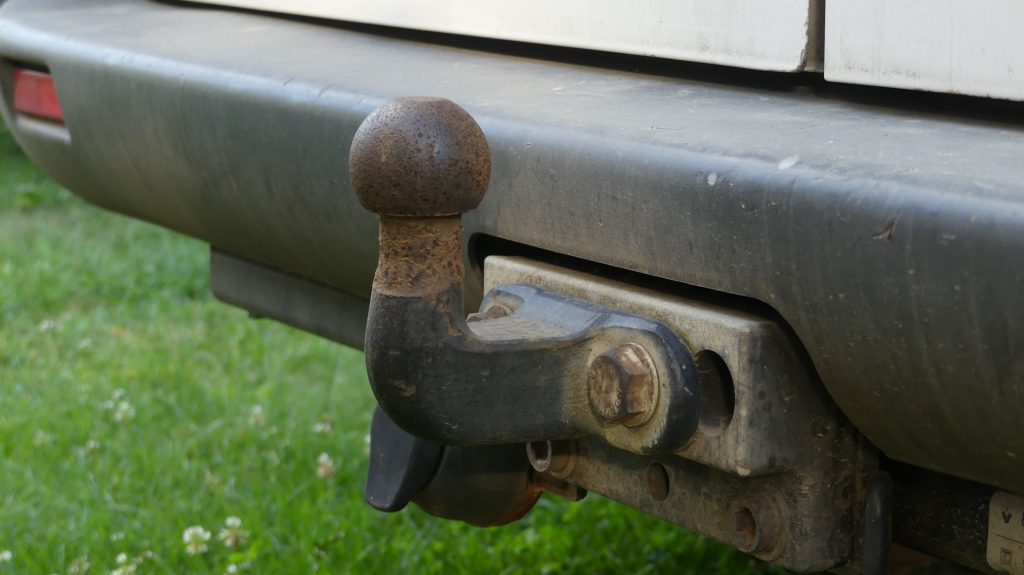
Determining the Correct Trailer Cover Size: A Comprehensive Guide
When it comes to safeguarding your trailer with a proper cover, selecting the right size can seem daunting—especially if you’re unfamiliar with the specifics involved. Many trailer owners face this challenge when replacing their covers for the first time, often wondering: Should I measure the length from hitch to bumper? Do I include the ladder and spare tire? Or should I follow the specifications listed on the product site? This guide aims to clarify these questions and help you choose the perfect cover for your trailer.
Understanding Trailer Measurements
Before purchasing a cover, it’s essential to accurately measure your trailer. While specifications from the manufacturer provide useful information, actual measurements often give the most reliable data for fitting. There are a few key measurement points to consider:
- Overall Length: Typically measured from the front of the trailer (including the hitch) to the rear bumper.
- Bumper-to-Bumper Length: Measuring from the outer edge of the front bumper to the outer edge of the rear bumper.
- Hitch-to-Bumper Length: Starting at the hitch or coupling point to the rear bumper.
- Additional Features: Including the ladder, spare tire, or any protrusions that may impact cover fit.
Why Do Measurements Vary?
Different cover manufacturers may recommend different measurement methods. Some designs have more generous allowances, while others are tailored to precise dimensions. Additionally, the intended coverage—whether you want a snug fit or a more relaxed, protective fit—can influence measurement choices.
General Guidelines for Measuring Your Trailer
-
Consult the Manufacturer’s Specifications:
Check the trailer’s official documentation or model sheet for the listed length. This is often a good starting point. -
Measure the Actual Trailer:
Use a tape measure to find the length from the hitch or coupler to the rear bumper. For added assurance, include prominent features like the ladder or spare tire if your intended cover needs to accommodate them. -
Determine How You Want the Cover to Fit:
- Snug Fit: Measure closely and opt for a cover just slightly larger than your trailer’s length.
-
Loose Fit: Add a few extra inches for a looser fit that allows for easier removal and added protection.
-
Account for Protrusions and Accessories:
If your trailer has a ladder, spare tire, or other accessories that extend beyond the main body, consider including these in your measurement or choosing a larger size.
Final Tips to Avoid Ordering Multiple Times
- Contact the Cover Manufacturer: Many provide sizing charts or customer support that can advise on the best dimensions based on your measurements.
- Read Customer Reviews: Feedback from others with similar trailer models can offer insight into how certain covers fit.
- Measure Precisely: Use a sturdy tape measure and double-check your measurements to ensure accuracy.
Conclusion
Choosing the right trailer cover size involves understanding your trailer’s dimensions and how the cover is designed to fit. Generally, measuring from hitch to bumper and including any protrusions you wish to cover ensures you get a suitable fit. Remember that different manufacturers might have varying recommendations, so consulting their guidelines or seeking advice from knowledgeable sources can save you time and money.
By following these steps, you’ll be well-equipped to select a trailer cover that provides optimal protection without the hassle of returns or mismatched sizing. Protect your investment with confidence—measure carefully, choose wisely, and enjoy peace of mind.