Can I replace just the trailer coupler latch, or does the entire hitch need to be cut off?
Title: Replacing a Rusted Trailer Coupler Latch: Is It Possible to Just Swap Out the Mechanism?
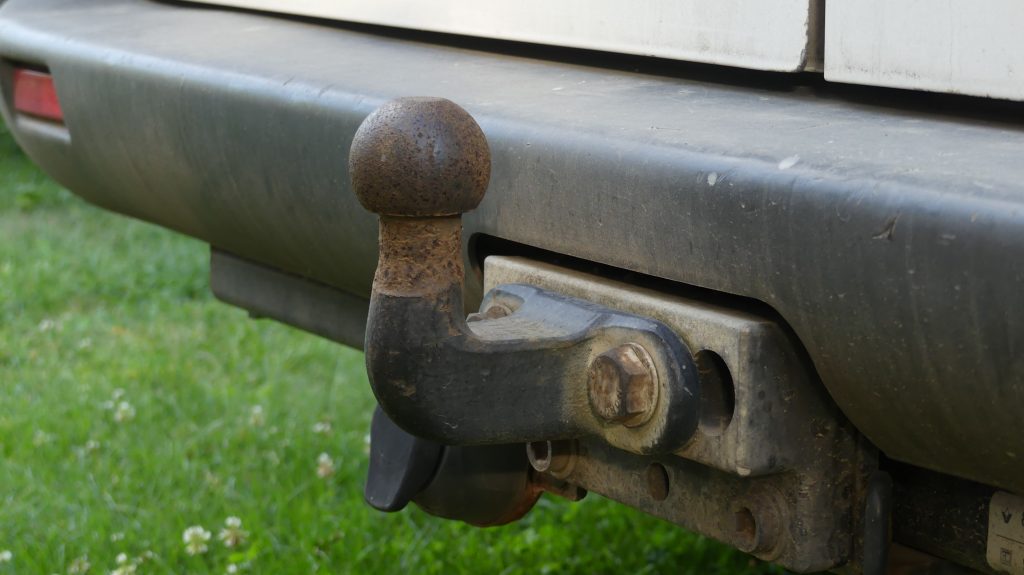
If you’re a travel trailer owner, you’re well aware that components exposed to the elements can sometimes develop issues over time. One common problem is rust and corrosion affecting the trailer’s hitch coupler, particularly the locking latch. Recently, a concerned camper reached out about their 2012 Keystone Cougar travel trailer, describing a severely rusted locking mechanism that makes locking and unlocking the hitch a challenge. Their question: can they replace just the latch mechanism, or is it necessary to cut off and replace the entire coupler?
Understanding the Trailer Hitch Coupler
The trailer hitch coupler connects your trailer to the towing vehicle, ensuring a secure and safe attachment during transport. The locking latch is a critical component that prevents accidental decoupling. When this part becomes corroded or damaged, it can compromise safety, ease of use, and overall functionality.
Can the Latch Mechanism Be Replaced Independently?
In many cases, the answer is yes—it’s often possible to replace just the damaged latch or lock assembly without replacing the entire coupler. Many modern trailer couplers are designed with serviceable parts, allowing owners to swap out problematic components rather than undertaking extensive repairs.
However, the feasibility of this solution depends on several factors:
-
Extent of Rust and Corrosion: If the entire coupler, including the hinge and base, is heavily corroded, replacing only the latch may not be sufficient. Rust can weaken the structural integrity, making replacement of the whole unit advisable.
-
Type of Coupler: Some couplers are welded and not intended for disassembly. In such cases, replacing the entire unit might be necessary.
-
Availability of Replacement Parts: Compatibility of the latch mechanism with your specific coupler model is essential. It’s advisable to consult your trailer’s manufacturer or a qualified trailer parts supplier.
What Steps Should You Take?
-
Inspect the Coupler Thoroughly: Remove the latch and examine the internal components and base. Look for signs of extensive rust, cracks, or deformation.
-
Identify the Part: If possible, take precise measurements and note any identification markings on the latch or coupler.
-
Consult Manufacturer or a Professional: Reach out to Keystone or a reputable trailer parts dealer with details and pictures. They can advise on whether a direct replacement latch exists for your model.
-
Purchase the Correct Replacement: Using the information gathered, procure a compatible latch mechanism designed for your trailer’s coupler.
-
Perform Replacement: If you’re comfortable with mechanical work, replacing the latch can be straightforward. Otherwise, seek assistance from a professional trailer repair specialist.
Conclusion
In many instances, replacing just the rusted latch mechanism of your trailer coupler is feasible and preferable, saving time and cost while maintaining the integrity of your trailer’s hitch. However, careful inspection and consultation with experts are essential to determine the best course of action. Regular maintenance and timely part replacement can extend the lifespan of your trailer’s components and ensure safe, reliable towing.
Disclaimer: Always prioritize safety. If you’re unsure about the condition of your trailer’s coupler or how to proceed, consult with a qualified mechanic or trailer specialist before towing.